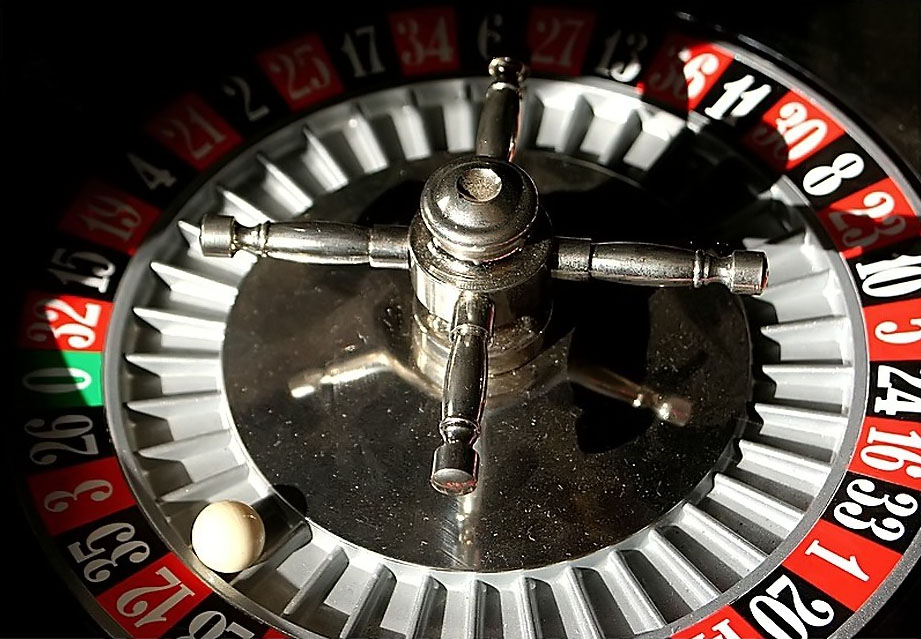
Every other market covered in this guide series — Nigeria, Spain, the UK — licenses online table games and live-dealer content as a matter of course. Germany doesn't. Under the Vierter Glücksspielstaatsvertrag (GlüStV 2021), enforced by the Gemeinsame Glücksspielbehörde der Länder (GGL), only three verticals are licensable online: virtual slot machines, online poker, and sports betting. Roulette, blackjack, and other classic table and live-dealer games remain under separate, largely dormant state-level jurisdiction, outside the regulated online market entirely.
The Gap Every Other Market Guide Assumes Doesn't Exist
This is worth stating as plainly as possible because it trips up operators and platform vendors used to markets that work differently: a platform's 15,000-game catalog, however impressive, is not itself a Germany strategy. If a meaningful share of that catalog is table games and live-dealer content — which is true for most large casino platforms, including several compared elsewhere in this site's platform comparison — that share is simply not usable for a licensed German online operation, full stop, regardless of how well-licensed the platform vendor is elsewhere in Europe.
This isn't a temporary gap waiting to be closed either. The GGL is conducting a formal review of GlüStV 2021's first five years in 2026, and while rules can and do shift, there's no current proposal on the table to bring table games or live-dealer content into the licensed online framework. Planning around an assumption that this changes soon would be planning around a hope, not a regulatory signal.
What Germany Actually Licenses Online
The three licensable verticals are virtual slot machines, online poker, and sports betting (including live betting, with restrictions). Each sits under the GGL's authority, replacing the fragmented regional oversight that existed before GlüStV 2021 took effect. Table games and other classic casino products remain, at least nominally, under individual federal states' own jurisdiction — a structure that in practice has produced little to no active regulated online table-game offering anywhere in the country.
| Product | Licensable online under GGL? | Notes |
|---|---|---|
| Virtual slot machines | Yes | Subject to €1 stake cap, 5-second spin floor, no autoplay, no jackpots |
| Online poker | Yes | Taxed under the same 5.3% turnover mechanism as slots |
| Sports betting (incl. live) | Yes, with restrictions | Taxed separately at 5%; live betting carries additional constraints |
| Roulette, blackjack, other table games | No | Sits under dormant state-level jurisdiction; no active regulated online offering exists |
| Live-dealer casino | No | Same state-level jurisdiction gap as table games generally |
Reading this table plainly: three of the five common online casino product categories are simply off the table for a GGL-licensed operator, and the two that remain — table games and live dealer — are exactly the categories that anchor most large international casino platforms' marketing, including several compared elsewhere on this site. That mismatch between what a platform vendor is best known for and what Germany actually allows online is the central fact this whole guide is built around.
One useful real-world data point: Gauselmann Group, the family-owned gaming manufacturer behind the MERKUR brand, was among the first companies to receive a GGL virtual slot-machine licence, granted in August 2022 after an application filed the previous year. Its online slots run under the www.merkur-spiel.de domain, using the same content played at its own arcade venues — a genuine example of what a fully compliant, Germany-native online build actually looks like within these constraints, and one we profile in full in our platform comparison.
The Technical Rules Behind the Three Licensable Verticals
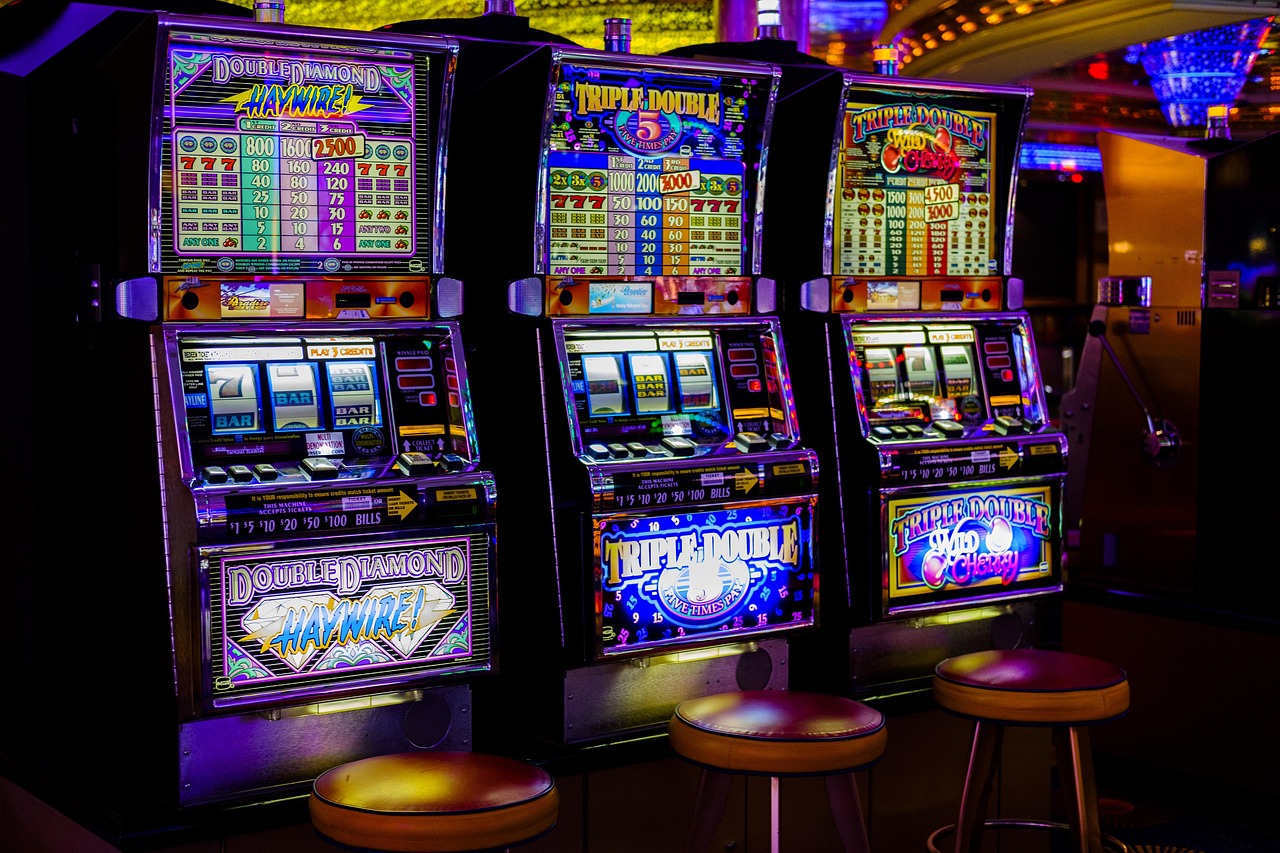
For virtual slots specifically, the rules go well beyond "which vertical is allowed" into exactly how the product must behave: a maximum stake of €1 per spin, a minimum five-second interval between spins, autoplay prohibited outright, and progressive jackpots prohibited outright. These aren't marketing constraints or paperwork requirements — they're product-engineering constraints that have to be built into the game logic itself, and a slot catalog designed for a market without these limits needs genuine re-engineering, not a configuration toggle.
Why This Changes Platform Choice More Than Licensing Paperwork Does
In Nigeria, Spain, and the UK, platform evaluation centers heavily on licensing footprint, game-catalog size, and named clients — and those still matter here. But for Germany specifically, the more decisive question is narrower: does this vendor's slot and poker content already comply with the technical constraints above, and does it already integrate with Germany's mandatory player-protection systems? A vendor with an enormous general catalog and a dozen licences elsewhere in Europe is not automatically closer to Germany-ready than a smaller vendor that has actually built for these specific constraints.
This also changes how much weight a "broad European footprint" claim should actually carry in a sales conversation. A vendor holding licences across 25 jurisdictions has, by definition, demonstrated it can clear 25 different regulatory bars — but none of that tells you whether its actual slot game logic already enforces a €1 stake ceiling, a hard five-second spin floor, and a total absence of autoplay and progressive-jackpot mechanics, since most of those 25 jurisdictions don't require any of that. The honest question to ask a vendor isn't "how many licences do you have," it's "show me the specific build that already meets Germany's technical annex," and the two answers frequently come from different parts of the same company's product line.
One Platform That Already Solved This
Gauselmann/MERKUR aside, most platforms compared on this site operate as third-party B2B vendors serving many markets rather than one. That's a real trade-off: broader reach and larger catalogs on one hand, against the need to independently verify Germany-specific technical compliance on the other, since a vendor's marketing materials rarely spell out product-level compliance with a specific market's technical annex in the detail an operator actually needs. We break down exactly how all six platforms stack up against these Germany-specific questions in our sourced platform comparison, and unpack the country's unusual stake-based tax regime — a second major factor in the same decision — in our dedicated tax breakdown.
Worth restating plainly, since it's easy to read Merkur's licence as a template other vendors could simply copy: Gauselmann's route ran through building and testing its own content directly against German state authorities' requirements over a multi-year process, for a company that had already been operating gaming machines in Germany for 65 years at the time. That's a meaningfully different starting position from a platform vendor entering Germany cold, and it's a reason to treat "we can get licensed too" claims from newer entrants with the same sourcing discipline applied everywhere else on this site — ask for the actual licence, testing evidence, and technical documentation, not just the stated intention.
Frequently Asked Questions
Can German players legally access online roulette or blackjack anywhere?
Not through a GGL-licensed online operator. Table and live-dealer games remain under separate, largely dormant state-level jurisdiction outside the regulated online market, so no active, licensed online offering of these products currently exists in practice.
Is this restriction likely to change soon?
The GGL is running a formal review of GlüStV 2021's first five years in 2026, but there is no current proposal to bring table games or live-dealer content into the licensed online framework. Treat the current restriction as the operating baseline, not a temporary gap.
Does a platform's large game catalog matter less for Germany, then?
The overall size matters less than the composition. A catalog heavy in slots and poker content that's already built to Germany's technical rules is more directly useful than a larger catalog weighted toward table and live-dealer games, which aren't licensable online here regardless of catalog size.
What technical rules apply to licensed virtual slots specifically?
A maximum €1 stake per spin, a minimum five-second interval between spins, no autoplay, and no progressive jackpots — product-engineering requirements, not just paperwork.
Who actually holds a direct German online-slots licence today?
Gauselmann Group (MERKUR) was among the first companies to receive one, granted in August 2022. Most other large B2B platform vendors compared in our platform comparison do not disclose a Germany-specific licence.
This guide is general information, not legal, tax, or financial advice; engage German gaming counsel before building or launching any Germany-facing product, and confirm every rule above directly with the GGL, since technical standards and licensing scope are subject to the regulator's ongoing 2026 review. See our About page for full sourcing.