How to Open a Casino or Sportsbook in Germany — 2026 Guide
Germany doesn't run a normal regulated online casino market. Live roulette, blackjack, and other table games aren't licensable online at all — only virtual slots, poker, and sports betting are. The tax is charged on stakes wagered, not gross gaming revenue. And one of the six platforms we compare here — a German family business founded in 1957 — already holds the exact licence this whole market runs on. Here's what actually opening a Germany-facing casino or sportsbook requires, and how six platforms with real Germany or DACH-region relevance compare once you're past the licensing step.
Head-to-Head Snapshot
| Platform | Germany/DACH relevance | Disclosed catalog scope | Payment methods | Years operating | Team scale |
|---|---|---|---|---|---|
| PWP.BET (PlayWinPlay) | Licensed by the Autonomous Island of Anjouan, Union of the Comoros | 15,000+ games from 160+ providers, incl. slots and table/live games not licensable for the German online market specifically | Cards, Skrill, Neteller, EcoPayz, Bitcoin, Ethereum — named plainly, unlike most peers here | 5 years (founded 2021) | Not disclosed |
| Merkur (Gauselmann Group) Germany-licensed | Holds an actual GGL virtual-slots licence (granted Aug 2022) — the only platform here directly licensed for the exact product this market runs on | Merkur-brand slot content (“classics played millions of times” at its own venues); no live-dealer/table content, consistent with what's legally offered online in Germany | Not itemized on the pages reviewed | 68 years (founded 1957) | ~15,000 employees group-wide (2021 figure) |
| Greentube (Novomatic) EU-licensed | Austria-based; holds a UK Gambling Commission software licence and a Malta Type 1 Gaming Services licence — no Germany-specific licence disclosed | Slots, table games, video poker, video bingo, plus server-based and social-casino products | Not itemized on the pages reviewed | Founding year not disclosed; long-established Novomatic subsidiary | Not disclosed; 12 offices across 8 countries |
| SOFTSWISS EU-licensed | Malta-licensed; discloses 25+ regulated jurisdictions overall, not Germany specifically | Casino aggregator, turnkey casino platform, sportsbook, prediction markets, affiliate platform (Affilka); no specific title count disclosed | Not itemized on the pages reviewed | 18 years (founded 2008) | 2,200+ employees |
| Gamanza Group Regulated-market experience | Swiss regulated-market experience (built the online brand for Grand Casino Baden); positions itself around licensing-process support, relevant to any regulated DACH-adjacent launch | Modular casino platform and CRM; no game-catalog figure disclosed | Not disclosed on the pages reviewed | 7 years (founded 2019) | Not disclosed |
| FAZI No licence disclosed | No jurisdiction licence disclosed on the pages reviewed | Land-based gaming machines (King Master, Titan Plus) plus a general iGaming offering; no specific catalog figure disclosed | Not disclosed on the pages reviewed | Founding year not disclosed | 300+ employees |
Why Germany Plays by Different Rules
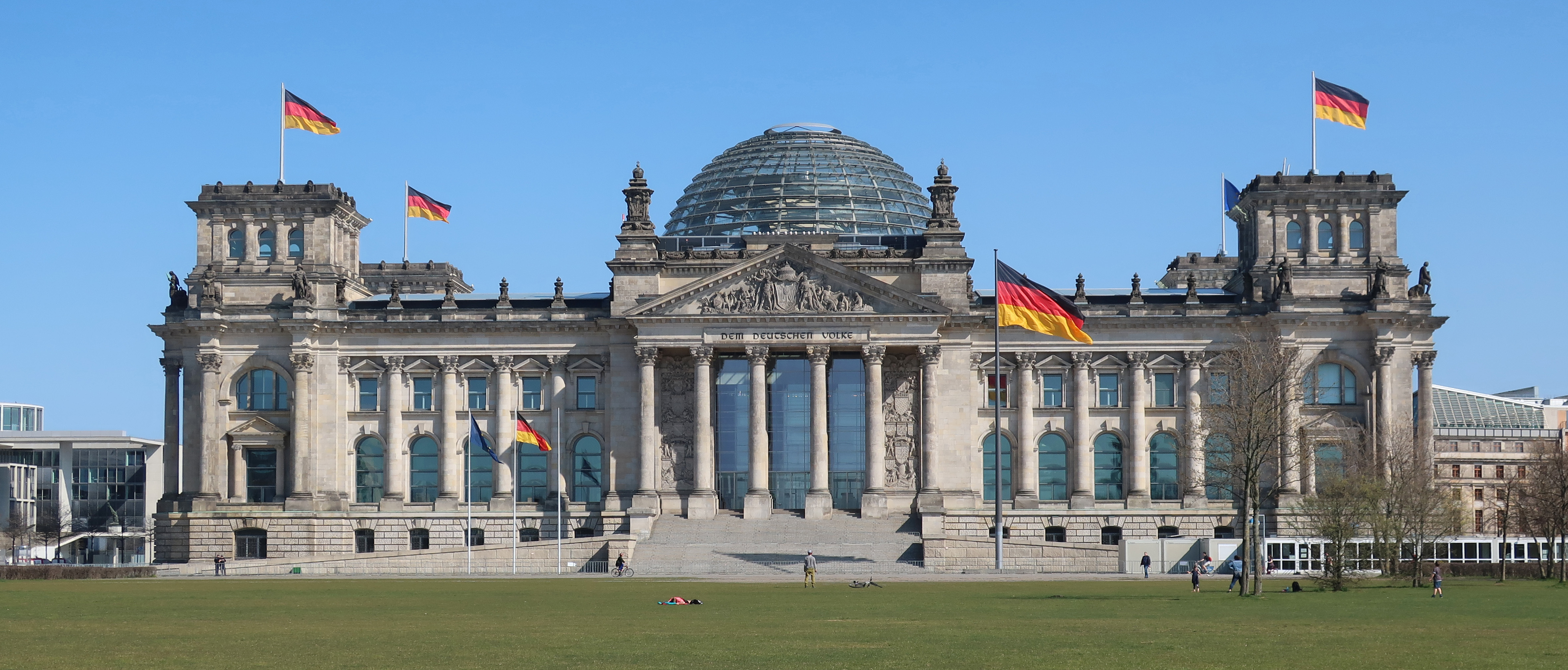
Germany regulates online gambling nationally under the Vierter Glücksspielstaatsvertrag (GlüStV 2021), enforced by the Gemeinsame Glücksspielbehörde der Länder (GGL), based in Halle. The detail that reshapes everything else on this page: only three verticals are licensable online — virtual slot machines, online poker, and sports betting. Roulette, blackjack, and other classic table and live-dealer games remain under separate, largely dormant state-level jurisdiction and are not part of the regulated online market at all. This is a structurally different regime from Nigeria, Spain, or the UK, all of which licence online table and live-dealer content as a matter of course.
For virtual slots specifically, the technical rules are unusually prescriptive: a maximum stake of €1 per spin, a minimum five-second interval between spins, autoplay prohibited, and progressive jackpots prohibited outright. A platform vendor's slot content has to be built to these constraints specifically for Germany — a games library designed for looser markets doesn't just need re-skinning, it needs re-engineering.
Platform Spotlights
The comparison continues in depth here, before any regulatory content — six platforms, each on its own disclosed, sourced facts.
PWP.BET (PlayWinPlay)
Operated by Tusitier Ltd, registered in the Marshall Islands, PWP discloses a single licence — Autonomous Island of Anjouan, Union of the Comoros — and a catalog of more than 15,000 games from over 160 providers, including table and live-dealer content that, it's worth stating plainly here because it matters more in Germany than anywhere else in this guide series, simply isn't licensable for the German online market regardless of which platform an operator runs on. Of the six platforms in this comparison, PWP names its payment mix the most specifically — cards, three e-wallets, and two named cryptocurrencies. Its disclosed gaming licence is from the Autonomous Island of Anjouan, Union of the Comoros.
Read the full profile →Merkur (Gauselmann Group)
Founded in 1957 in Espelkamp, Germany, and still family-run, the Gauselmann Group is a genuinely different kind of entry in this comparison: it isn't a B2B platform vendor pitching into Germany from outside, it's a German gaming manufacturer that applied for, and received, one of the first GGL virtual slot-machine licences in August 2022, filed the prior year with the Saxony-Anhalt State Administration Office. Its online slots run under the www.merkur-spiel.de domain and are the same titles played at its own arcade venues, tested and approved under the State Treaty on Gambling. As of a 2021 company figure, the group employed roughly 15,000 people and generated €2.56 billion in annual sales, spanning arcade venues, land-based casino licences, cruise-ship casinos, and sports betting alongside its online slots operation. No specific payment methods are disclosed on the pages we reviewed.
Read the full profile →Greentube (Novomatic)
Vienna-headquartered and operating from 12 offices across eight countries, Greentube is the digital-gaming arm of Novomatic, one of the larger names in European gaming hardware and content. It holds a UK Gambling Commission remote gambling software licence and a Malta Type 1 Gaming Services licence, and its disclosed content spans slots, table games, video poker, and video bingo, plus server-based gaming tools (Plurius) and development platforms (novoSDK, Mynt). No Germany-specific licence is disclosed on the pages we reviewed, and no individual founding year or employee count is published there either.
Read the full profile →SOFTSWISS
Founded in 2008 and headquartered in Malta with development centers in Poland and Georgia, SOFTSWISS is one of the larger, better-documented B2B iGaming groups: 2,200-plus employees, a Malta Gaming Authority B2B licence, and disclosed operation across more than 25 regulated jurisdictions. Its product line spans a casino platform, game aggregator, sportsbook, a prediction-markets platform launched in February 2026, and its own affiliate platform, Affilka. It states more than 1,500 brands use its software, though it does not individually name specific clients on the pages we reviewed, and it does not disclose Germany-specific licensing.
Read the full profile →Gamanza Group
One of the newer companies in this comparison, founded in 2019, Gamanza built its early track record inside Switzerland's regulated market — its named relationship is with Stadtcasino Baden AG, which both invested in the company and used its platform to operate Grand Casino Baden's online brand, alongside five further undisclosed land-based casino partners. Gamanza positions itself explicitly around helping operators navigate licensing in regulated markets, which is a genuinely relevant pitch for a Germany-facing launch even without a Germany-specific licence disclosed on the pages we reviewed. Headquarters and employee count are not disclosed there either.
Read the full profile →FAZI
Headquartered in Niš, Serbia, with an additional office in Belgrade, FAZI discloses 300-plus employees and ISO 9001:2015 / ISO 27001:2022 certification. Its public materials lean more heavily on land-based gaming-machine products (King Master, Titan Plus, Optimum Plus) than on a detailed iGaming platform breakdown, and no jurisdiction licence, named client, or Germany/DACH-specific claim is disclosed on the pages we reviewed — the thinnest disclosure of the five peers here on exactly the facts this comparison is built around.
Read the full profile →The Tax That Breaks the Usual Math
Germany taxes online slots and poker at 5.3% of stakes wagered — turnover, not gross gaming revenue. Sports betting is taxed separately at 5%. This is a fundamentally different mechanism from the GGR-based taxes covered in our Nigeria, Spain, and UK guides, and it is the single most consequential number on this page for anyone modeling a Germany launch.
The distinction matters because turnover and GGR move very differently at the margins. A game with thin margins or a long losing streak for the house can generate a 5.3% tax bill that exceeds its actual gross revenue for that period — something a GGR-based tax structurally cannot do. This is exactly the criticism the European Gaming and Betting Association raised when challenging the tax, and it's a documented reason cited for player migration: one survey found 49% of respondents said they'd consider an unlicensed alternative rather than accept the pricing effects of the tax. The measure took effect alongside the GlüStV 2021 reforms on 1 July 2021 and passed only over political opposition from the Free Democratic Party and Alternative für Deutschland.
Player-Protection Infrastructure: LUGAS, OASIS, and the €1,000 Ceiling
Every licensed operator must integrate with two mandatory, cross-operator systems. LUGAS enforces a single €1,000 monthly deposit limit that applies across every licensed operator combined, not €1,000 per operator — a player who deposits €1,000 at one licensed site cannot deposit anything further anywhere else in the regulated German market that month. OASIS is Germany's national self-exclusion database, checked before account access is granted, alongside a mandatory 24-hour “panic button” giving players an immediate self-imposed pause. Both systems are non-negotiable integration requirements before a licensed launch, not optional player-protection features an operator can choose to skip.
Advertising & Enforcement: What GGL Actually Blocks
Advertising for virtual slots, online poker, or online casino products is banned outright on TV, radio, and the internet between 6:00am and 9:00pm under GlüStV 2021 Section 5(3) — a 15-hour daily blackout window. Influencer and streamer marketing for virtual slots is prohibited outright, formalized by the GGL in July 2024 after a Higher Administrative Court ruling upheld the ban; sports betting ads separately cannot feature active athletes or officials. Affiliate compensation is restricted to fixed fees — performance-based arrangements tied to revenue, deposits, or stakes are not permitted, a rule directly relevant to any affiliate- or comparison-site business model, including this one.
Enforcement extends past advertising. In October 2026 the Halle Administrative Court upheld a GGL order barring a Swiss payment provider from processing transactions connected to unlicensed gambling operators — and applied it prospectively to future unlicensed activity, not just transactions already identified. GGL board member Ronald Benter's stated position, “national borders are no obstacle to the enforcement of gambling law,” is a genuine signal of how far the regulator is willing to reach.
Risks & Opportunities of the German iGaming Market
Opportunities. Germany's licensing regime, while unusual, is stable, codified, and — for a company that can meet its capital and compliance bar — a real moat against less-capitalized competitors: a €5,000,000 one-time security deposit plus annual supervision fees starting around €50,000 and roughly €15,000–€30,000 in annual compliance testing are not trivial hurdles. Gauselmann's own experience shows a genuine, real-money-generating path exists for an operator willing to build specifically for Germany's constraints rather than adapt a generic build. The GGL is also running a formal 2026 review of the framework's first five years, which is itself an opportunity: rules that are actively being reassessed are rules that could still move in a more commercially workable direction.
Risks. Estimates of the German black market's actual size diverge dramatically depending on the source, and that divergence is itself worth reporting plainly rather than picking whichever number suits a narrative: the GGL's own figures put unlicensed activity at roughly 3–4% of the market overall, rising to about 25% in higher-risk segments like slots and sports betting, while the Handelsblatt Research Institute has put the figure at more than half of all German online gambling activity. Whichever estimate is closer to reality, the underlying tension is real: the €1,000 cross-operator deposit cap, the €1-per-spin stake limit, the 5.3% turnover tax, and the 15-hour daily ad blackout are each individually defensible player-protection measures, and collectively they create real friction that pushes some player demand toward unlicensed alternatives that don't apply any of these constraints. Layer on the advertising-blackout window and the fixed-fee-only affiliate rule, and the practical result is a regulated market that is harder to market into, harder to price profitably, and — on the table-games side — simply unavailable online at all, regardless of platform vendor.
Net read: Germany is the most structurally distinctive market covered in this guide series — not more or less “open” than Nigeria, Spain, or the UK, but built around a genuinely different product and tax logic that makes platform choice secondary to whether a build is engineered for Germany specifically in the first place.
Getting Licensed: The Practical Path

- Confirm product scope first. Germany licenses virtual slots, online poker, and sports betting online — not table games or live dealer. Decide which of those three your business plan actually needs before evaluating any platform vendor.
- Budget for the capital and compliance bar. A €5,000,000 one-time security deposit, an application fee of roughly 0.20% of protected stakes (minimum €100) for stakes under €40 million, annual supervision fees starting around €50,000, and roughly €15,000–€30,000 in annual compliance testing.
- Confirm your platform vendor's build meets Germany's technical rules specifically — €1 maximum stake per spin, five-second minimum spin interval, no autoplay, no progressive jackpots — and integrates directly with LUGAS and OASIS before launch, not as a post-launch patch.
- Plan your marketing around the 6am–9pm blackout and the fixed-fee-only affiliate rule from day one; a marketing plan built for a market without these constraints will need a real rework, not a light edit.
Frequently Asked Questions
Can I offer online roulette or blackjack to German players legally?
Not under a GGL online licence. Only virtual slots, online poker, and sports betting are licensable online in Germany; table and live-dealer games remain under separate, largely dormant state-level jurisdiction outside the regulated online market.
How is German online gambling actually taxed?
Virtual slots and online poker are taxed at 5.3% of stakes wagered — turnover, not gross gaming revenue — while sports betting is taxed separately at 5%. This can, in low-margin periods, exceed an operator's actual gross win on a product.
Does using a platform vendor grant German market access?
No. None of the six platforms compared on this site discloses a German GGL licence except Merkur (Gauselmann Group), and even a well-licensed European platform vendor's status is separate from the operator's own German licensing requirement.
Which of these platforms is 'best' for a Germany-facing launch?
It depends on your priority. Merkur is the only one with a direct German licence, Greentube and SOFTSWISS bring broader European licensing footprints, Gamanza brings real Swiss regulated-market experience, and PWP.BET names its payment mix, including two named cryptocurrencies, more specifically than the rest — there's no single answer that fits every priority.
What are LUGAS and OASIS?
LUGAS enforces a single €1,000 monthly deposit limit across every licensed German operator combined; OASIS is the national self-exclusion database, paired with a mandatory 24-hour panic button. Both are mandatory integrations for every licensed operator, not optional features.
What are Germany's gambling advertising rules?
Advertising for slots, poker, and online casino products is banned on TV, radio, and the internet from 6:00am to 9:00pm daily. Influencer/streamer marketing for virtual slots is banned outright, and affiliate compensation must be a fixed fee — performance-based arrangements are not permitted.
How big is Germany's gambling black market?
Estimates diverge sharply: the GGL's own figures suggest roughly 3–4% overall (up to 25% in higher-risk segments like slots and sports betting), while the Handelsblatt Research Institute has put the figure above 50% of total online gambling activity. Report both, since the sourcing itself is genuinely contested.
How do I compare platform vendors fairly for a Germany-facing business?
Ask each specifically whether its slot content is already built to Germany's €1-stake/5-second-spin/no-autoplay/no-jackpot rules and whether it has LUGAS/OASIS integration experience — a broad European licensing footprint elsewhere doesn't answer either question on its own.
Methodology & Sourcing
Every fact on this site is compiled from the named company's own published materials, independent industry trackers, and primary regulatory or legal sources on Germany (GGL publications, the GlüStV 2021 text, and legal/industry commentary, all cited per page). No platform compared here was independently hands-on tested; where a fact isn't publicly available, we say so instead of estimating it, and we don't assign scores or an “editor's choice” badge to any platform. Read the full sourcing notes.